If you’ve ever visited China—or even just watched a Chinese film—you’ve probably noticed something unusual: even in the middle of summer, people are sipping hot tea, not ice water. In offices, restaurants, and homes, a thermos of tea is always within reach. For many outsiders, it seems puzzling. But for Chinese people, it’s simply the way life works.
Tea Is Not Just a Drink—It’s a Way of Life
In China, tea isn’t reserved for special occasions or afternoon breaks. It’s a daily necessity, as natural as breathing. From street vendors to tech CEOs, nearly everyone drinks tea throughout the day—not for caffeine, but for balance, health, and connection.
A Tradition Older Than Coffee
Tea has been part of Chinese culture for over 2,000 years. The first written record comes from the Tang Dynasty (7th century CE), when scholar Lu Yu wrote The Classic of Tea—the world’s first book entirely about tea. Back then, tea was used as medicine. Over time, it became a symbol of hospitality, wisdom, and harmony.
Why Not Cold Water?
According to Traditional Chinese Medicine (TCM), cold water disrupts the body’s internal balance—especially the “digestive fire” in the spleen and stomach. Even in hot weather, drinking something cold is believed to slow digestion and trap “dampness” in the body, leading to fatigue or bloating.
That’s why Chinese people prefer warm or hot tea, even at 40°C (104°F). It supports digestion, soothes the stomach, and helps the body regulate temperature naturally.
Different Teas for Different Times
Chinese tea culture isn’t about one “green tea.” There are hundreds of varieties, each with its own purpose:
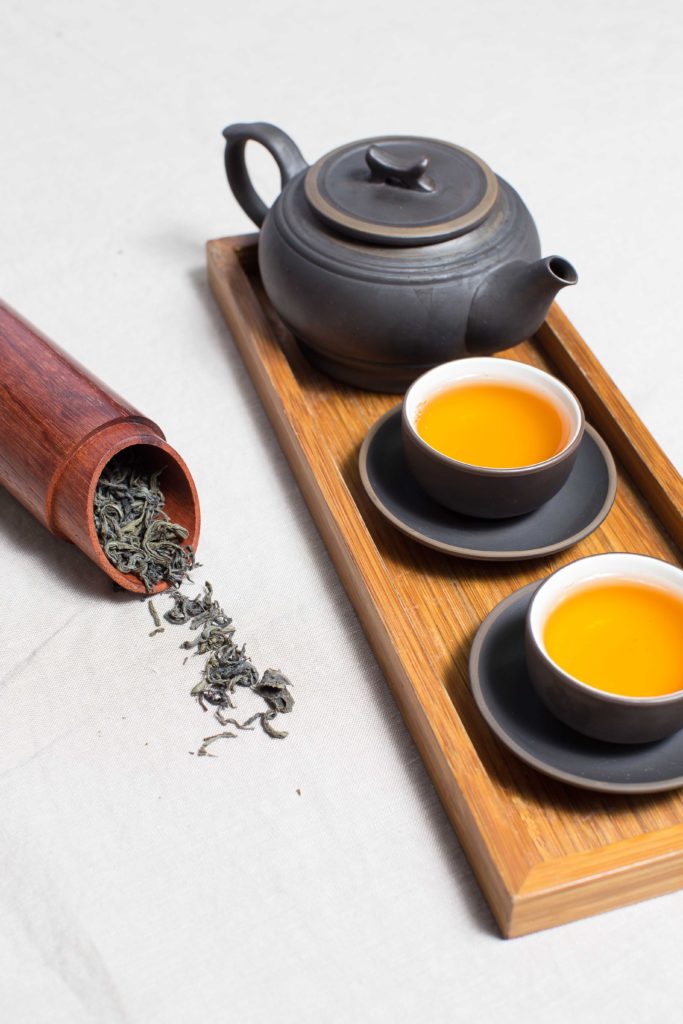
- Green tea (e.g., Longjing): light, refreshing—ideal for spring and summer.
- Oolong (e.g., Tieguanyin): balanced and floral—perfect for autumn.
- Pu-erh: fermented and earthy—favored in winter for its warming effect.
- White tea: delicate and cooling—often used to reduce internal heat.
Many people choose their tea based on the season, mood, or even what they just ate.
From Office Kitchens to Tea Ceremonies
In Chinese workplaces, it’s common to see a shared thermos of tea on every desk. Refusing tea from a colleague might seem odd—it’s a gesture of respect and care.
And for deeper connection, there’s gongfu cha—a traditional tea ceremony using small pots and multiple short infusions. It’s not about speed, but presence: pouring, sipping, and sharing in silence.
Tips for Visitors
- If someone pours you tea, tap two fingers on the table—it’s a silent “thank you,” dating back to imperial times.
- Don’t be surprised if your restaurant water is hot—it’s standard.
- Never fill your cup to the brim; leave a little space as a sign of humility.
Final Thought: Tea as a Pause in a Fast World
In a country that moves at lightning speed, tea offers a quiet rhythm. It’s not about hydration alone—it’s about slowing down, listening, and returning to balance. As the old Chinese saying goes:
“Better to be deprived of food for three days than tea for one.”
So next time you see someone sipping hot tea on a scorching day, remember: they’re not just drinking. They’re practicing a 2,000-year-old art of well-being.